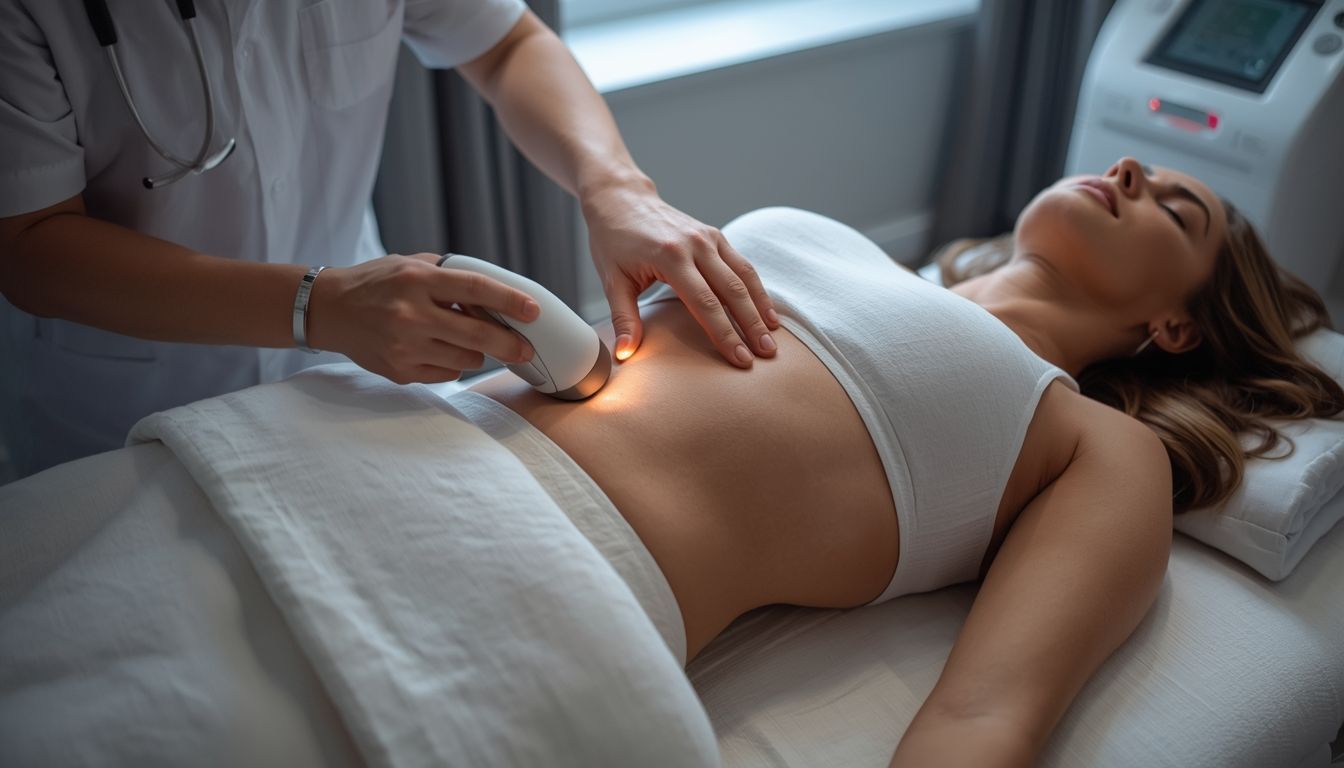
Why Laser Hair Removal Is a Smart Choice for Sensitive Skin
For women with sensitive skin, the routine of hair removal is often more than just a chore. It can be a painful cycle of irritation, redness, and discomfort. You shave in the morning only to find red bumps by the afternoon. You try waxing, but it leaves your skin inflamed for days. Even depilatory creams, which promise a gentle touch, can cause harsh chemical reactions that compromise your skin barrier.
The struggle is real for many patients. Traditional methods rely on friction, pulling, or harsh chemicals that repeatedly traumatize the skin surface. This constant disruption often leads to chronic issues like ingrown hairs and razor burn, which are not just cosmetic annoyances but genuine medical concerns for skin health.
If you are tired of trading unwanted hair for irritated skin, it might be time to consider a different approach. A professional laser hair removal treatment offers a way to break the cycle of inflammation. Unlike surface-level fixes that require daily or weekly maintenance, laser technology targets the problem at the source. This provides a long-term solution that is often far kinder to delicate skin than the alternatives.
Understanding What Makes Skin Sensitive
Sensitive skin is not just a buzzword. It is a biological condition where the skin is more prone to reactions such as stinging, burning, redness, and dryness. Several factors contribute to this heightened reactivity. It often stems from a weakened skin barrier, which allows irritants to penetrate more easily while letting essential moisture escape.
Hormonal fluctuations can also play a role in how your skin behaves. Changes during puberty, pregnancy, or menopause can alter hair growth patterns and skin sensitivity simultaneously. Additionally, the sheer mechanics of hair growth can trigger issues. Coarse or curly hair is naturally more prone to curling back into the skin, causing painful ingrown hairs that lead to infection or scarring.
When you use traditional removal methods on this type of skin, you are essentially adding fuel to the fire. Shaving scrapes the top layer of the skin. Waxing rips hair out by the root, often taking skin cells with it. For someone with a robust barrier, this might be fine. For someone with sensitivity, it is a recipe for chronic inflammation.
How Laser Hair Removal Works
To understand why a laser is gentler, it helps to understand the mechanism behind it. Laser hair removal uses concentrated beams of light to target the pigment, or melanin, within the hair follicle. The light energy converts to heat, which damages the follicle enough to inhibit future growth.
This process is known as selective photothermolysis. The key word here is "selective." Advanced laser systems are designed to target the hair structure specifically while leaving the surrounding skin tissue unharmed. When performed correctly, the laser bypasses the surface of the skin entirely.
This precision is what makes laser hair removal treatment distinct from other methods. It does not rely on scraping, pulling, or chemical dissolution. Instead, it addresses the root of the hair growth with controlled energy pulses.
Why Laser Hair Removal Is Safer for Sensitive Skin
For patients prone to irritation, the primary benefit of laser treatment is the reduction of physical trauma. When you shave, you run a sharp blade over your skin. No matter how much shaving cream you use, that blade creates microscopic cuts and abrasions. Repeatedly subjecting sensitive areas to this friction keeps the skin in a constant state of stress.
Laser eliminates the need for this daily abrasion. By significantly reducing hair growth, you reduce the frequency with which you need to touch your skin at all.
Another major advantage is the prevention of ingrown hairs. Waxing and plucking can sometimes cause hairs to break off below the surface or grow back in erratic directions. Because the laser thins the hair and destroys the follicle, the hair that does grow back is finer and softer. It is far less likely to become trapped under the skin. This means fewer bumps and less risk of the folliculitis (infection of the hair follicle) that plagues so many women.
The Importance of Medical Oversight
While laser hair removal is widely available, the setting matters significantly, especially for sensitive skin. Receiving care in a medical practice ensures that your safety is the top priority.
In a medical environment like Infinity Medical Group, providers understand the nuances of skin physiology. They can distinguish between normal post-procedure redness and an adverse reaction. Before any treatment begins, a medical professional evaluates your skin type, hair texture, and medical history to ensure you are a suitable candidate for medical laser hair removal.
Medical settings also utilize hospital-grade equipment that offers customizable settings. A provider can adjust the wavelength and pulse duration to match your specific needs. This level of customization helps maximize results while minimizing the risk of burns or hyperpigmentation, which is a common concern for those with delicate skin.
Common Myths About Laser Hair Removal and Sensitive Skin
Despite its popularity, misconceptions about laser procedures still prevent many women from seeking treatment.
Myth: Laser damages sensitive skin.
Reality: When performed by a qualified professional, laser can actually improve skin quality by removing the source of irritation (the hair and the follicle).
Myth: It is too painful for sensitive people.
Reality: Most patients describe the sensation as a rubber band snap. Modern cooling technologies often integrated into the laser device help soothe the skin instantly during treatment. Compared to the ripping sensation of waxing, many patients find laser quite tolerable.
Myth: You cannot treat delicate areas.
Reality: Laser is safe for the face, bikini line, and underarms. These are often the areas most prone to sensitivity, making them ideal candidates for laser intervention.
Who Is a Good Candidate?
Technological advancements have made laser hair removal accessible to a wider range of people. Historically, lasers worked best on those with light skin and dark hair because the contrast made it easier for the laser to find the pigment.
Today, specific lasers are safer for darker skin tones as well. However, because the laser targets pigment, it is generally less effective on white, gray, or very blonde hair.
For women with sensitive skin, candidacy also involves current skin health. If you have an active rash, sunburn, or skin infection, a medical provider will advise you to wait until the area heals. This cautious approach is part of why medical oversight is so valuable. A purely cosmetic provider might push for treatment when your skin actually needs rest.
What to Expect Before and After Treatment
Preparation is simple but important. You will be asked to avoid sun exposure and tanning products for several weeks prior. Sun exposure makes the skin more sensitive and decreases the contrast between the skin and the hair. You should also stop waxing or plucking for a few weeks, as the laser needs the hair root to be present to work. Interestingly, you will be asked to shave the day before your appointment. This prevents surface burns and ensures the laser energy goes directly to the follicle.
After the procedure, the treated area may look and feel like a mild sunburn. This is a normal clinical endpoint and usually subsides within a few hours to a day.
Post-Treatment Care Tips:
- Apply soothing aloe vera or hydrocortisone cream if recommended.
- Avoid hot showers, saunas, and intense exercise for 24 hours.
- Wear broad-spectrum sunscreen on treated areas exposed to light.
- Stick to gentle, fragrance-free cleansers.
Long-Term Benefits
The transition to laser hair removal is an investment in the future health of your skin. As you progress through your sessions, you will notice a significant reduction in hair density. The hair that remains will be finer and less noticeable.
For sensitive skin sufferers, the absence of daily maintenance is the real victory. Imagine not having to worry about razor burn before a beach trip or hiding irritation under long sleeves. Over time, the skin texture often improves. Without the chronic inflammation from shaving and waxing, the skin barrier has a chance to heal and strengthen. Dark spots caused by past ingrown hairs often fade as the cycle of irritation stops.
This places laser hair removal among the most functional non surgical cosmetic treatments available. It solves a functional problem while delivering an aesthetic benefit.
Prioritizing Your Skin Health
Choosing how to manage unwanted hair is a personal decision, but for women with sensitive skin, it is also a medical one. Continuing with methods that cause pain and damage is not necessary. Laser hair removal treatment offers a safe, effective, and scientifically backed alternative that respects the integrity of your skin.
By seeking treatment in a medical setting, you ensure that your unique needs are met with expertise and care. You gain the peace of mind that comes with professional supervision and the confidence of smooth, healthy skin.
If you are ready to stop the cycle of irritation and explore a long-term solution, we are here to help.
To learn more about our approach to skin health or to schedule a consultation, please visit our website at Infinity Medical Group.